Patching – OS and Applications
Operating system updates, application patching, and driver updates form the absolute cornerstone of modern digital security and system stability. While it is easy to view update notifications as an annoying interruption, delaying them leaves a door wide open for cybercriminals. In today’s interconnected environment, keeping your system safe requires look beyond just operating system updates—you…
Read more
Virtual Box – Virtualisation
Oracle VM VirtualBox is a highly popular, open-source, and free Type-2 hypervisor used to run multiple operating systems simultaneously on a single computer. Unlike native solutions restricted to specific OS editions, VirtualBox acts as a software application layer on top of your main desktop, making it incredibly accessible, flexible, and cross-platform. Whether you are an…
Read more
Hyper-V on Windows 11
Microsoft Hyper-V is a native, bare-metal (Type-1) hypervisor built directly into Windows 11. Unlike standard software-based virtualisation, Hyper-V runs directly on your computer’s hardware, allowing you to create and manage multiple virtual machines (VMs) with incredible speed and efficiency. Whether you need to test software across different operating systems or set up a secure lab…
Read more
Windows Sandbox
Windows Sandbox is a lightweight, isolated desktop environment built directly into Windows that allows you to run untrusted software safely. Think of it as a disposable virtual machine (VM) that spins up in seconds and completely vanishes the moment you close it, leaving your main operating system perfectly safe. System Requirements: What You Need to…
Read more
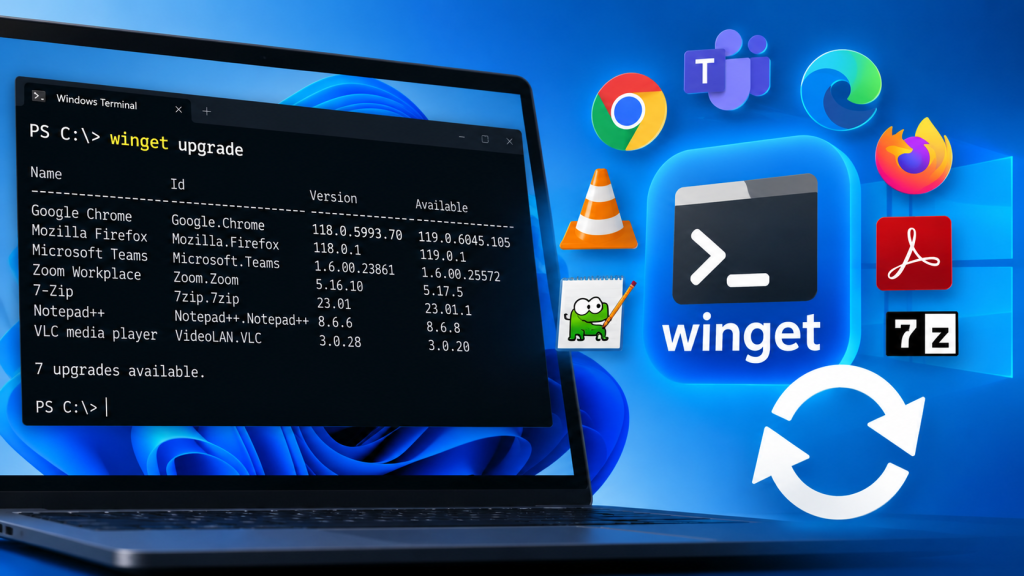
Updating applications on windows.
Updating software manually on Windows can be an absolute chore. Clicking through individual update prompts or visiting various websites just to keep your apps secure is a waste of time. Thankfully, Microsoft includes a powerful built-in tool called the Windows Package Manager (WinGet) that lets you update every single application on your PC using just…
Read more
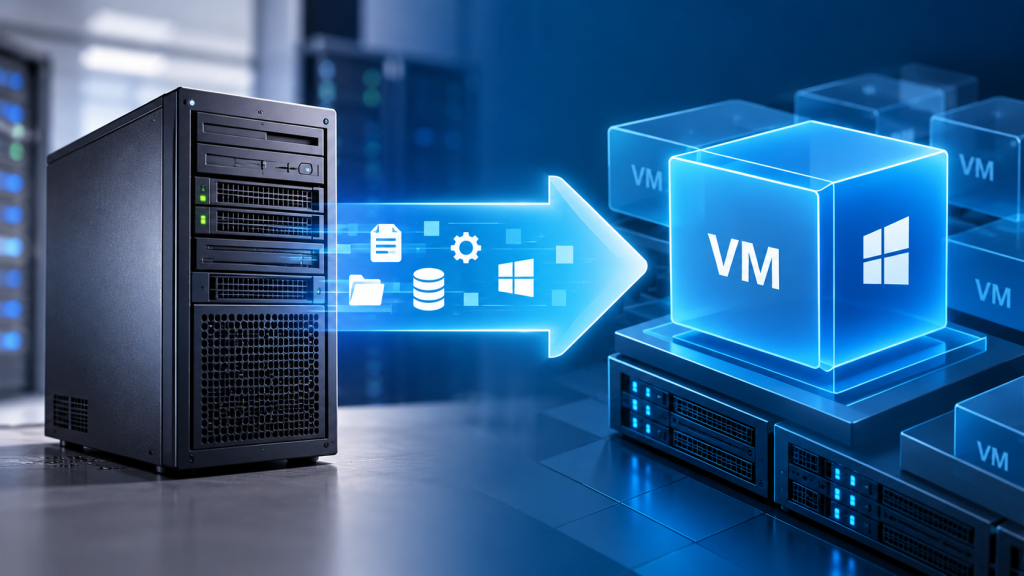
Convert a Server to a VM and host it on Hyper-V
Virtualization is a fundamental pillar of modern infrastructure management. Transitioning legacy hardware footprint over to a hypervisor simplifies backups, enhances resource utilization, and uncouples software from aging silicon. In this step-by-step technical guide, we will walk through the entire lifecycle of a host deployment and migration: installing the Hyper-V role on a bare-metal server, performing…
Read more
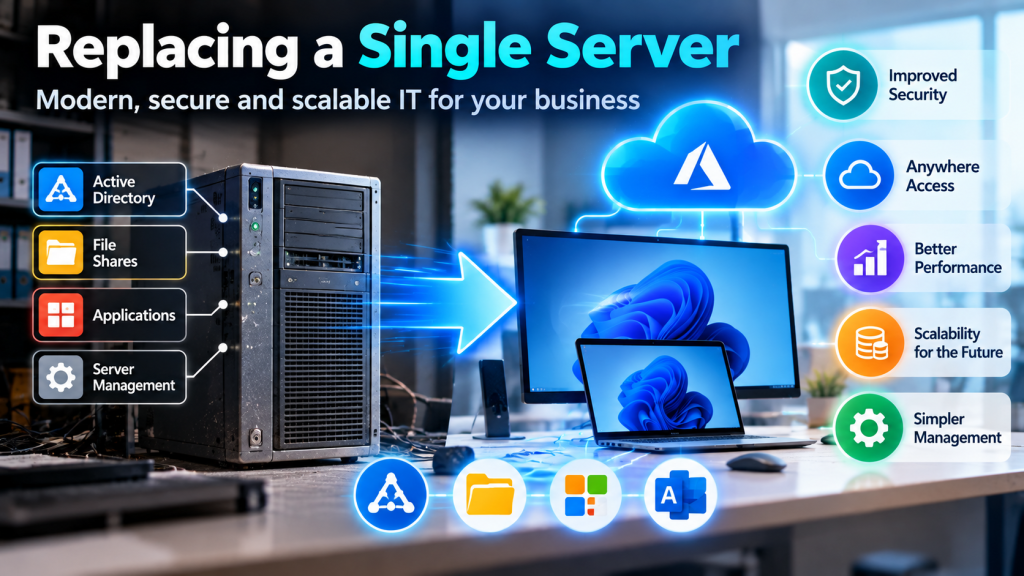
How to Replace a Legacy Domain Controller and Application Server: A Complete Migration Guide
Replacing an all-in-one on-premises server is one of the most complex projects an IT administrator can undertake. When a single piece of hardware acts as your Domain Controller, host to your company file shares, and the engine room for core SQL database applications, you cannot simply copy and paste files to a new box. To…
Read more
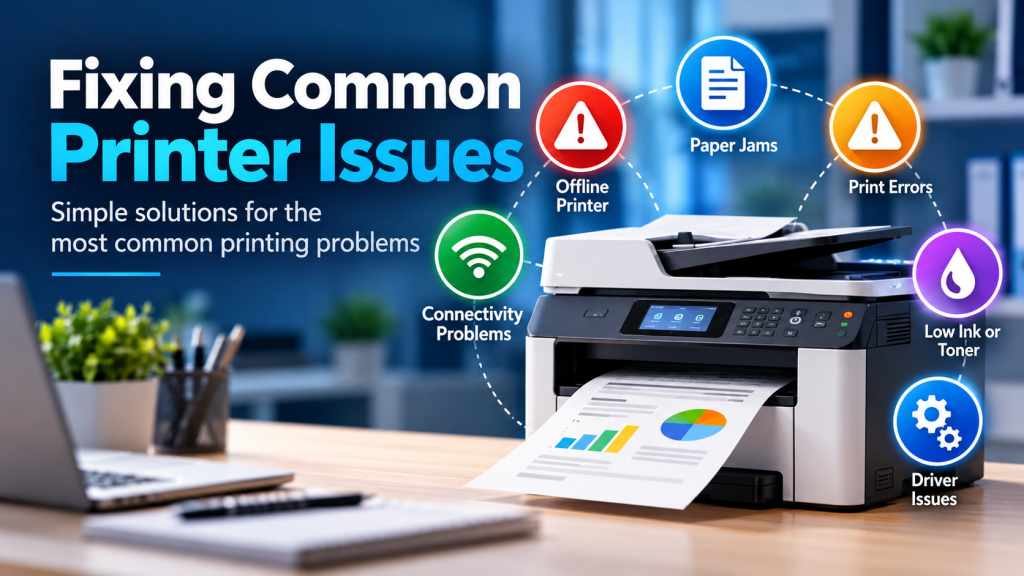
How to Fix Common Printer Problems: A Step-by-Step Troubleshooting Guide
Few office frustrations match the annoyance of pressing “Print” and having absolutely nothing happen. Printer errors are notoriously common, but the vast majority of these issues aren’t caused by broken hardware—they are caused by simple communication breakdowns between your computer and the printer. Before you give up or call out an expensive technician, you can…
Read more
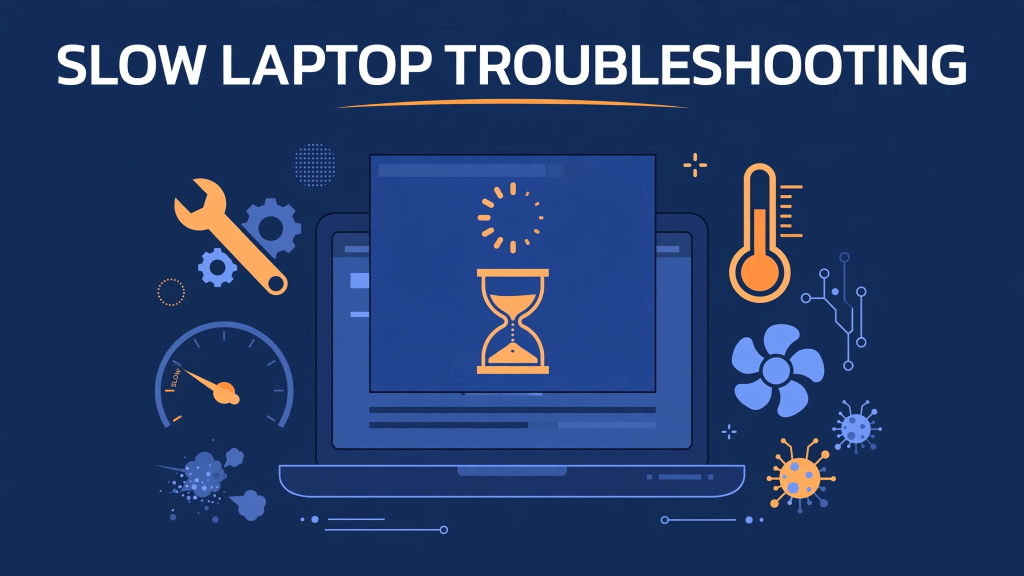
Is Your Laptop Crawling? How to Find and Fix the Real Bottleneck
Few things are more frustrating than a laptop that takes five minutes just to open a web browser. When performance drops, it is easy to assume your computer is simply “getting old” and needs to be replaced. However, before you go shopping for a new machine, you need to figure out exactly why it is…
Read more